Environmental Stewardship Program
With students from Waratah Special Developmental School
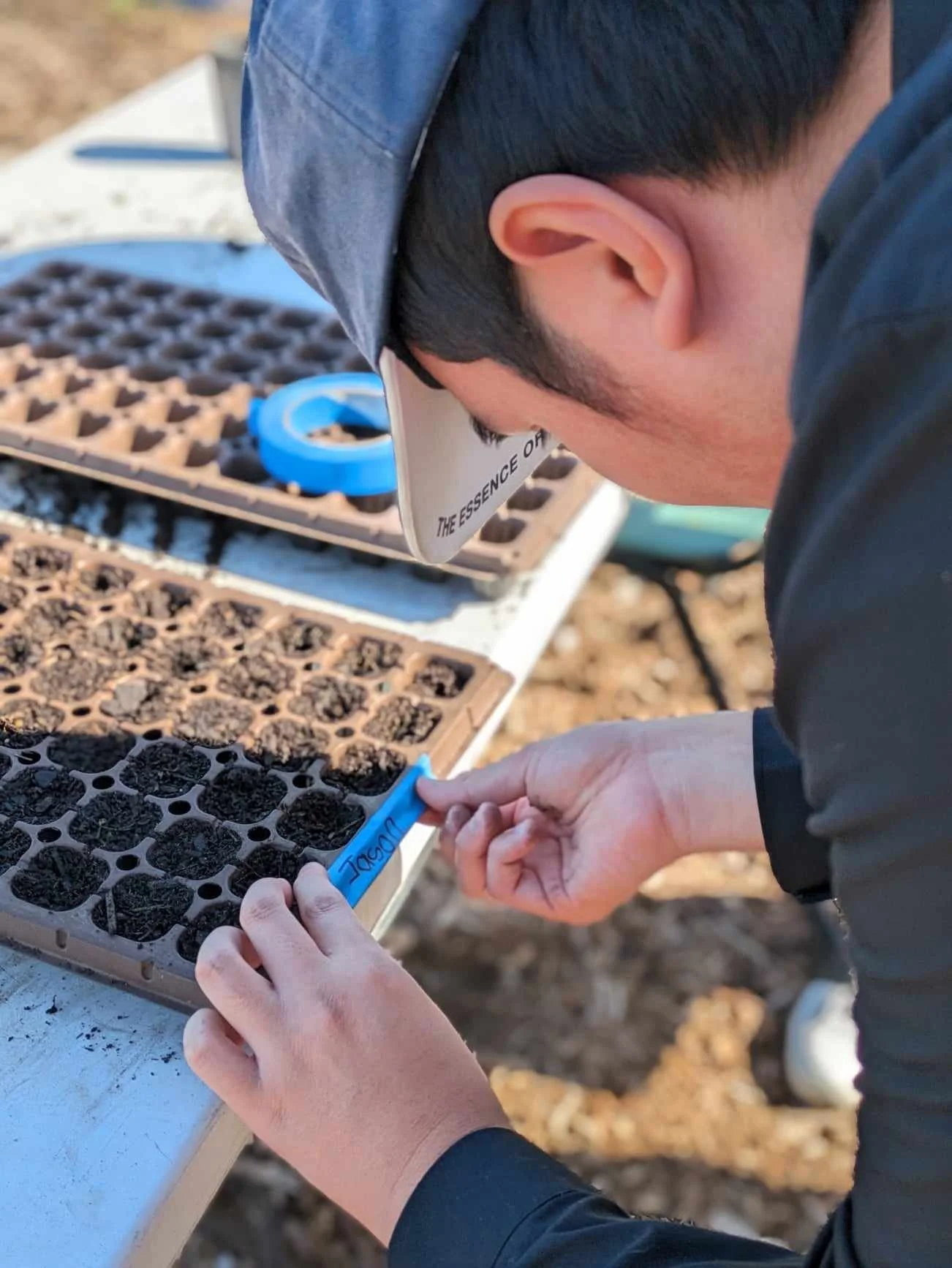
Farm Raiser’s Environmental Stewardship Program aims to provide students at Waratah Special Developmental School and other local special education needs schools (SENS) with meaningful, inclusive and practical opportunities to connect with nature, develop environmental awareness and build everyday skills through hands-on gardening and sustainability activities.
Through regular sessions at the farm, students are supported to develop an understanding of plant life cycles, food production, soil health, composting, waste reduction and the relationships between living things.
The program makes environmental education accessible to students with diverse learning, communication, sensory and physical needs and supports broader developmental outcomes.
Gardening activities provide opportunities for students to practise spoken, tactile and assistive methods of communication, follow cues and visual schedules, make informed choices about their learning, take responsibility for their actions and interactions, participate alongside peers and develop confidence and independence in a new environment.
The farm environment offers a valuable alternative learning space where students can engage at their own pace, experience sensory activities without the fear of mess and build positive relationships with new educators, teachers and other students.
impact
The Environmental Stewardship Program has delivered benefits extending well beyond environmental education and gardening skills. By providing students with disabilities access to a welcoming, hands-on learning environment, the program has supported their personal development, independence, wellbeing and connection with the wider community.
Building confidence, independence and practical life skills
Through activities such as planting, harvesting, caring for the garden and operating a student farm shop, students have had opportunities to take responsibility, make decisions and experience the satisfaction of seeing their efforts translate into tangible outcomes.
The Senior students' Mini Farm Shop was a particularly valuable example, allowing students to practise everyday skills including weighing produce, handling money, negotiating prices, operating a till and taking on different roles as farmers, shopkeepers and customers. These experiences help connect classroom learning with practical skills that students can use in everyday life.
Supporting communication, social connection and emotional wellbeing
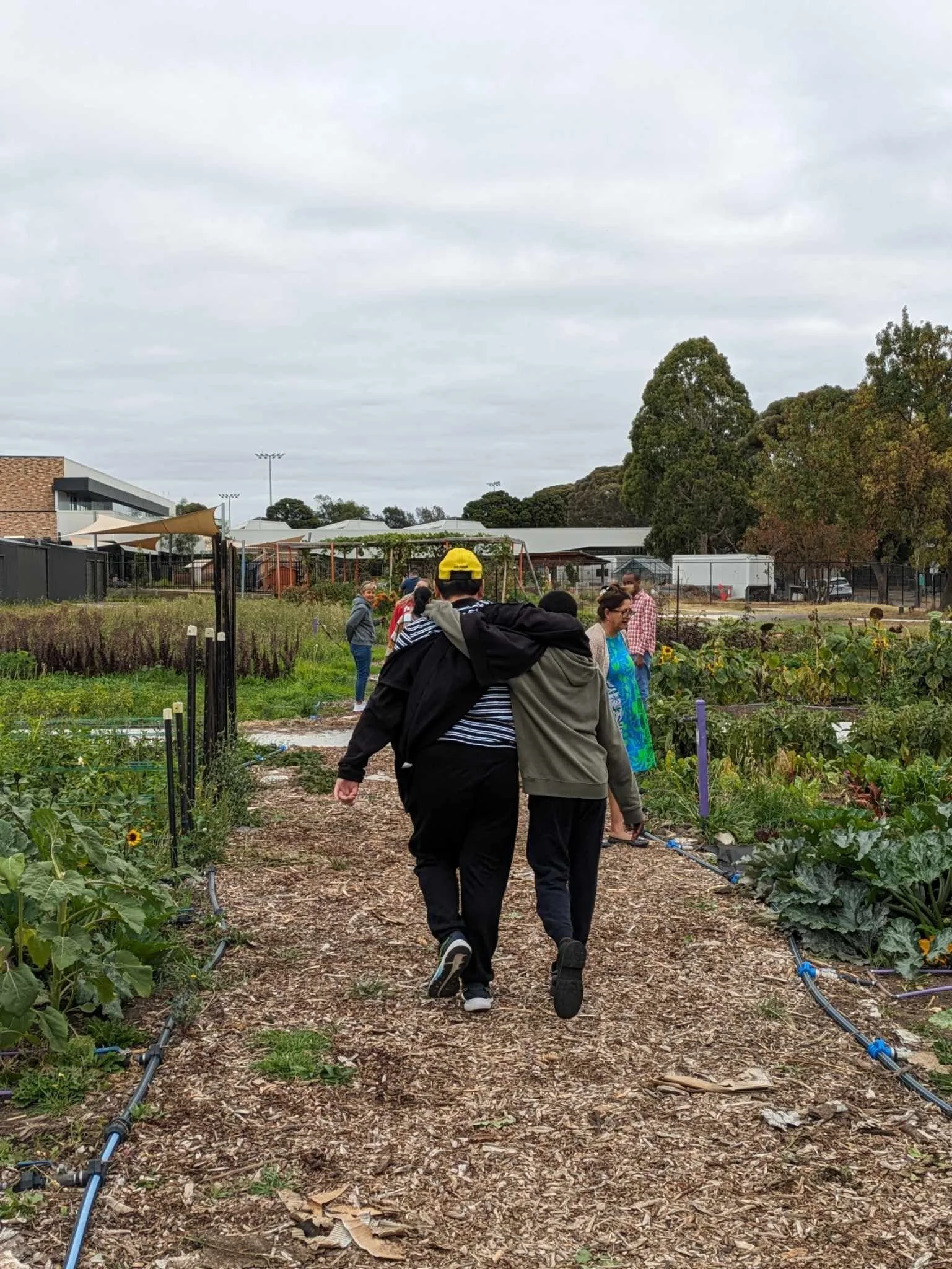
The farm provides a different environment in which students can communicate, interact and build relationships with educators and peers. Activities encourage turn-taking, shared attention, following instructions and expressing preferences through spoken, visual, tactile and assistive communication. Students have also demonstrated growing familiarity and comfort with the farm environment, with observations of positive engagement, improved regulation and empathy towards peers. Importantly, the program recognises that participation looks different for every student, allowing individuals to engage at their own pace and in ways that support their comfort, interests and abilities.
Making environmental education accessible and meaningful
The program translates environmental concepts into tangible experiences that students can see, touch and participate in. Through growing food, exploring biodiversity, planting seeds,
Creating opportunities for inclusion and community connection
The program gives students opportunities to participate in shared community activities and engage with people beyond their immediate school environment. A particularly meaningful example was the Term 4 visit from local mainstream high school students, where Waratah students led a farm tour and compost demonstration. The positive interactions between the groups demonstrated the potential for shared interests and activities to create connections across different educational settings. Waratah students showed pride in their knowledge and contributions, continuing to talk about the visit in subsequent weeks.
Strengthening the capacity of educators and the wider community
The program also benefits teachers, education support staff and Farm Raiser educators. Teachers and support staff have opportunities to observe students in a different learning environment, identify individual strengths and interests, and explore new ways of supporting their participation and development. For Farm Raiser educators, working alongside specialist school staff has strengthened their understanding of inclusive facilitation, diverse communication methods and the importance of adapting activities to individual needs.
Collectively, these outcomes demonstrate the value of partnerships between community organisations and specialist education providers. The program helps create a more inclusive community by ensuring students with disabilities have meaningful access to nature, practical environmental education and opportunities to contribute their skills and knowledge, as their peers at mainstream schools do.
With 125 student participations across 79 gardening sessions in 2026, the program has established a valuable and ongoing opportunity for students to learn, connect and experience a sense of achievement and belonging in a community farm environment.

This program is generously funded by the Community Bank East Ivanhoe